Home » Engagement & Wedding Rings » Diamonds
The Timelessness and Uniqueness of Natural Diamonds
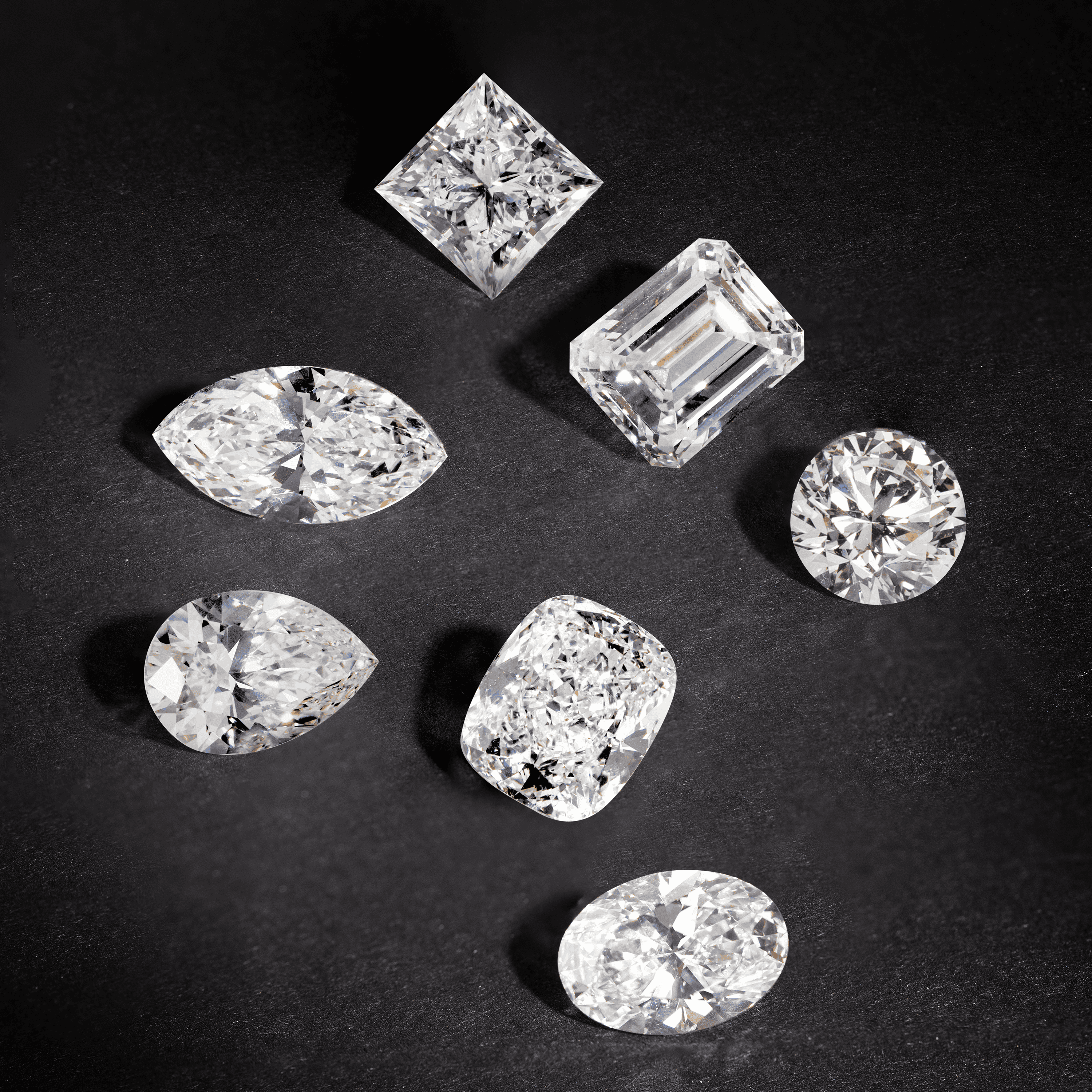


When you are shopping for an engagement ring, wedding band, or other jewelry, you can choose lab-grown or natural diamonds. Both are true diamonds, chemically and optically identical, and both are beautiful. We sell both and we will not tell you which one to want. What we can do is explain what makes a natural diamond different, so the choice you make is an informed one rather than a default.
What Sets a Natural Diamond Apart
01
BILLIONS OF YEARS IN THE MAKING
Natural diamonds form deep within the earth’s crust, many of them during the first couple of billion years of our planet’s history. A lab-grown stone reaches the same chemistry in a matter of weeks. Neither fact makes one better, but only one of them is old.
02
NO TWO ARE ALIKE
Each natural diamond is a one-of-a-kind formation created under its own geological conditions. The tiny internal characteristics that result are effectively a fingerprint, which is a large part of why these stones are so often kept and passed down.
03
A TRADITION SINCE 1477
The first documented diamond engagement ring dates to 1477. Whatever else has changed about weddings in the intervening centuries, the gesture itself has held, which is its own kind of argument for the stone.
Why Choose a Natural Diamond
For many of our guests the answer is permanence. A ring that took the earth billions of years to make is a fitting object to hand to someone, and it is the kind of piece that ends up on a daughter’s hand decades later. If that idea is what draws you, a natural stone is the one to buy. You can browse the full selection in our natural diamond engagement rings collection.
There is a practical argument too. We back natural diamonds with a 110% trade-up guarantee, so if you want to mark a milestone later with a larger stone, the original keeps working for you. It applies to qualifying rings, solitaire earrings, and solitaire pendants, and it carries minimum carat weights and other conditions worth reading before you count on it. Lab-grown diamonds are not eligible, which is a genuine difference between the two rather than a marketing one. The full terms live on our product protection page.
Natural Diamond Settings to Build On
Each of the three below is a setting rather than a finished ring, which means the center stone is yours to choose separately. That is the usual way to buy a natural diamond: pick the stone first with our experts, then decide what holds it. Between them these three cover a pear, an emerald cut, and a marquise, in three different metals. When you are ready to choose the stone itself, start with our diamonds, and if you are still weighing the alternative, see how they compare in our guide to lab-grown diamonds.

RB Signature 14k Yellow Gold Natural Diamond Engagement Ring Setting 7/8 ct. tw.
- Built for a pear-shaped center, chosen separately
- 14k yellow gold, RB Signature, polished finish
- 7/8 ct. tw. of natural side stones, the most of the three

A.JAFFE Platinum Natural Diamond Engagement Ring Setting 1/10 ct. tw.
- Built for an emerald cut center, chosen separately
- Platinum, A.JAFFE, polished finish
- 1/10 ct. tw. of natural side stones, the most restrained setting here

Divine 14k White Gold Natural Diamond Engagement Ring Setting 1/3 ct. tw.
- Built for a marquise center, chosen separately
- 14k white gold, rhodium plated, from Divine
- 1/3 ct. tw. of natural side stones on a slim 1.7 mm shank
The Robbins Brothers Difference
Roughly one in ten of the diamonds we review meets our standards. That number is the whole point of the way we buy: it is a filter applied before anything reaches a case, so the comparison you are making in the showroom is already between good stones rather than between a good one and a bad one.
We have been doing this since 1921, and we are employee owned, so the person walking you through cut and clarity has a stake in your leaving happy rather than a quota. Our VIP diamond viewing rooms let you see stones under proper light, our master jeweler works in house for custom settings, and you are welcome at any of our showrooms across California, Arizona, Texas, and Washington.
Frequently Asked Questions
What is the difference between a natural and a lab-grown diamond?
A natural diamond forms deep within the earth over billions of years, while a lab-grown diamond is created in a controlled setting in a matter of weeks. They are chemically and optically identical, so the choice really comes down to what the stone means to you. Our diamond experts are happy to show you both side by side in any of our showrooms.
Are natural diamonds a better value than lab-grown?
They are different propositions rather than better and worse. A lab-grown stone generally buys you more size and clarity for the same spend, which is a real advantage. A natural stone is the one with limited supply behind it, and it is the one eligible for our trade-up guarantee. Decide which of those matters to you and the answer follows.
What standard do natural diamonds meet at Robbins Brothers?
We choose roughly one in ten of the diamonds we review, judged on cut, clarity, color, and overall beauty. Cut is where we are strictest, because it is the factor that determines how much light a stone actually returns and the one a photograph hides best. Stop in and we will walk you through exactly what separates a well-cut stone from a merely well-graded one.
Are your natural diamonds conflict-free?
Yes. Under the 2003 Clean Diamond Trade Act, all diamonds exported to the United States are mined ethically and are conflict-free, so you can shop with complete peace of mind. Our experts can share more about diamond sourcing during your visit.
Do natural diamonds come in every shape?
They do. From round and oval to emerald, marquise, pear, and cushion, natural diamonds are available in every popular cut. Visit a showroom to compare shapes in person and see which one flatters your hand and your setting.
Should I buy the setting or the diamond first?
The stone first, in most cases. Its shape and proportions determine which settings will actually hold it well, so choosing the setting first can quietly narrow your options on the thing you will look at every day. If you have already fallen for a setting, bring that to us and we will find the stone built for it.
Can you create a custom natural diamond ring?
Absolutely. Our master jeweler can help you design a one-of-a-kind ring built around the natural diamond you choose. Book a consultation and we will guide you from first sketch to finished ring.
What warranty comes with a natural diamond purchase?
Natural diamond purchases are covered by our lifetime limited warranty, with cleaning and inspection to keep the ring looking its best, and qualifying pieces are eligible for the 110% trade-up guarantee described above. Bring your ring in anytime and we will care for it.
Ready to see natural diamonds in person? Find a Robbins Brothers near you and let our experts show you what a well-cut stone looks like in daylight. You can also browse our Pinterest board for inspiration.
Recommended
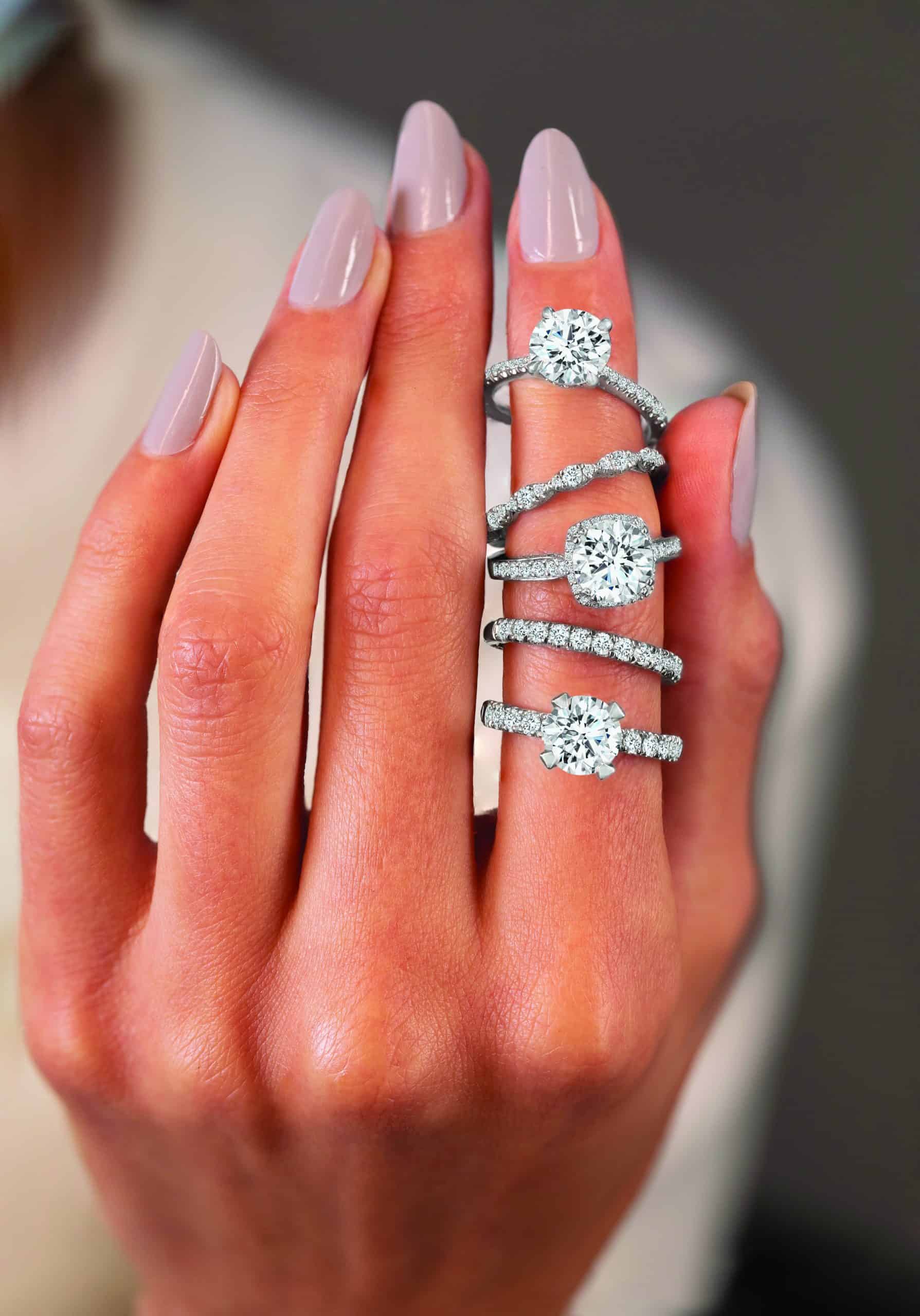
All about Round Brilliant Diamonds for Engagement Rings and Wedding Bands: The Diamond with the Most Sparkle
Round diamonds are called “brilliant” because the shape returns more light than any other cut, which is another way of…
read more
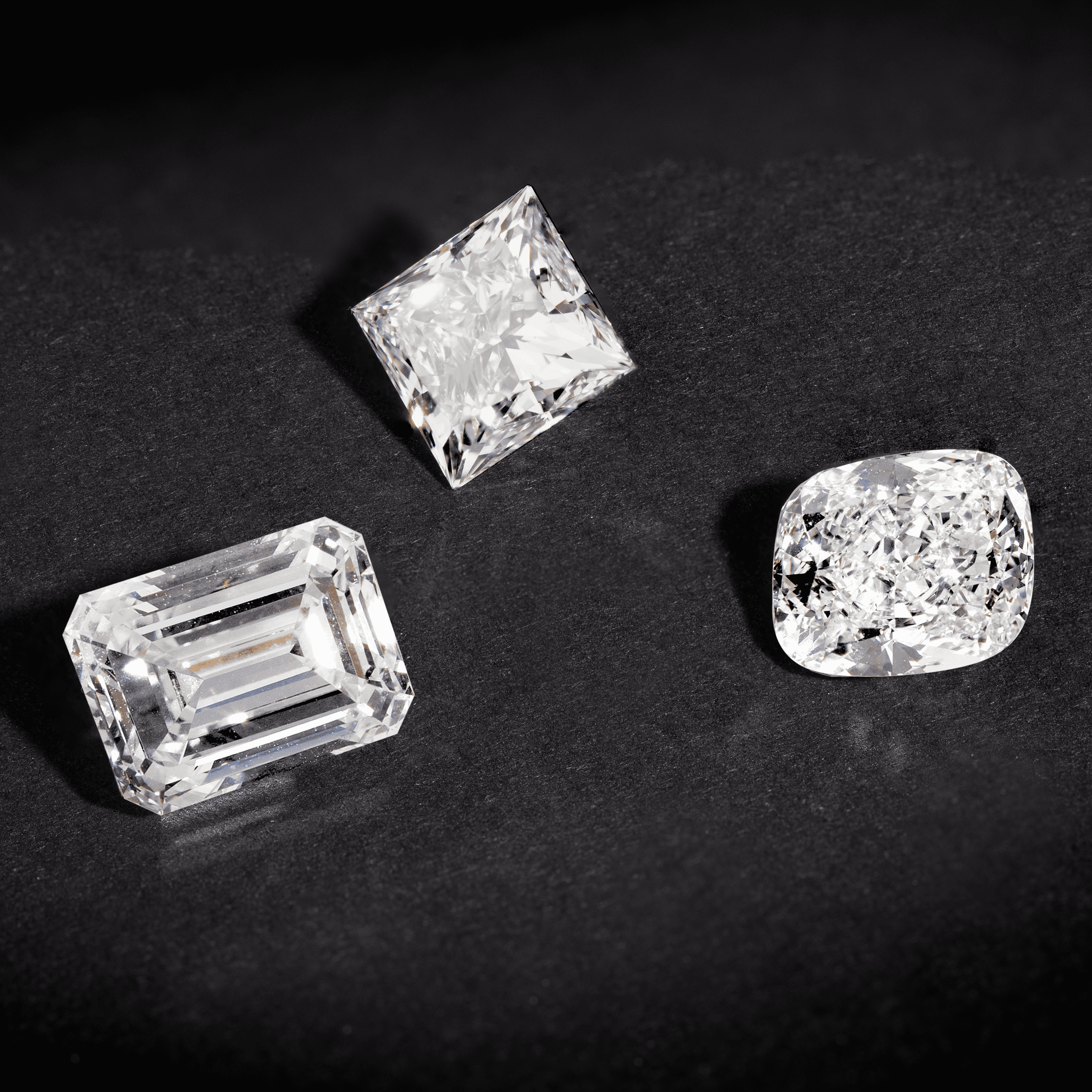
Your Guide to Cushion Cut Diamond Engagement Rings
Cushion cut diamonds are always a popular choice for engagement rings for good reason. Their square or rectangle shape with…
read more
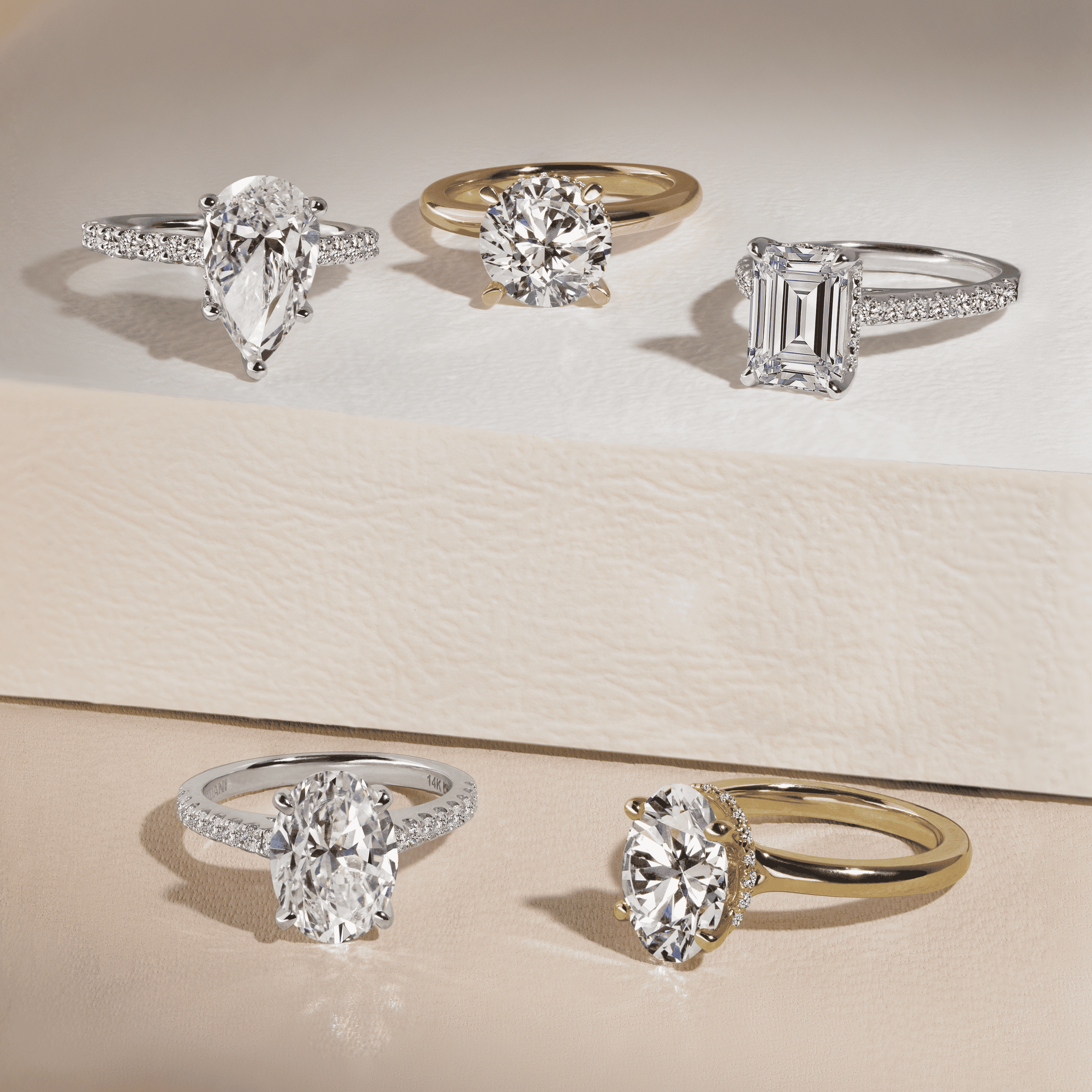
All About Fancy Shape Diamonds for Your Perfect Engagement Ring
When we talk about a “fancy shape” diamond, we simply mean any diamond shape other than the classic round brilliant….
read more