Home » Engagement & Wedding Rings » Engagement Rings
Pavé Diamond Band Engagement Rings, Wedding Rings, and Jewelry
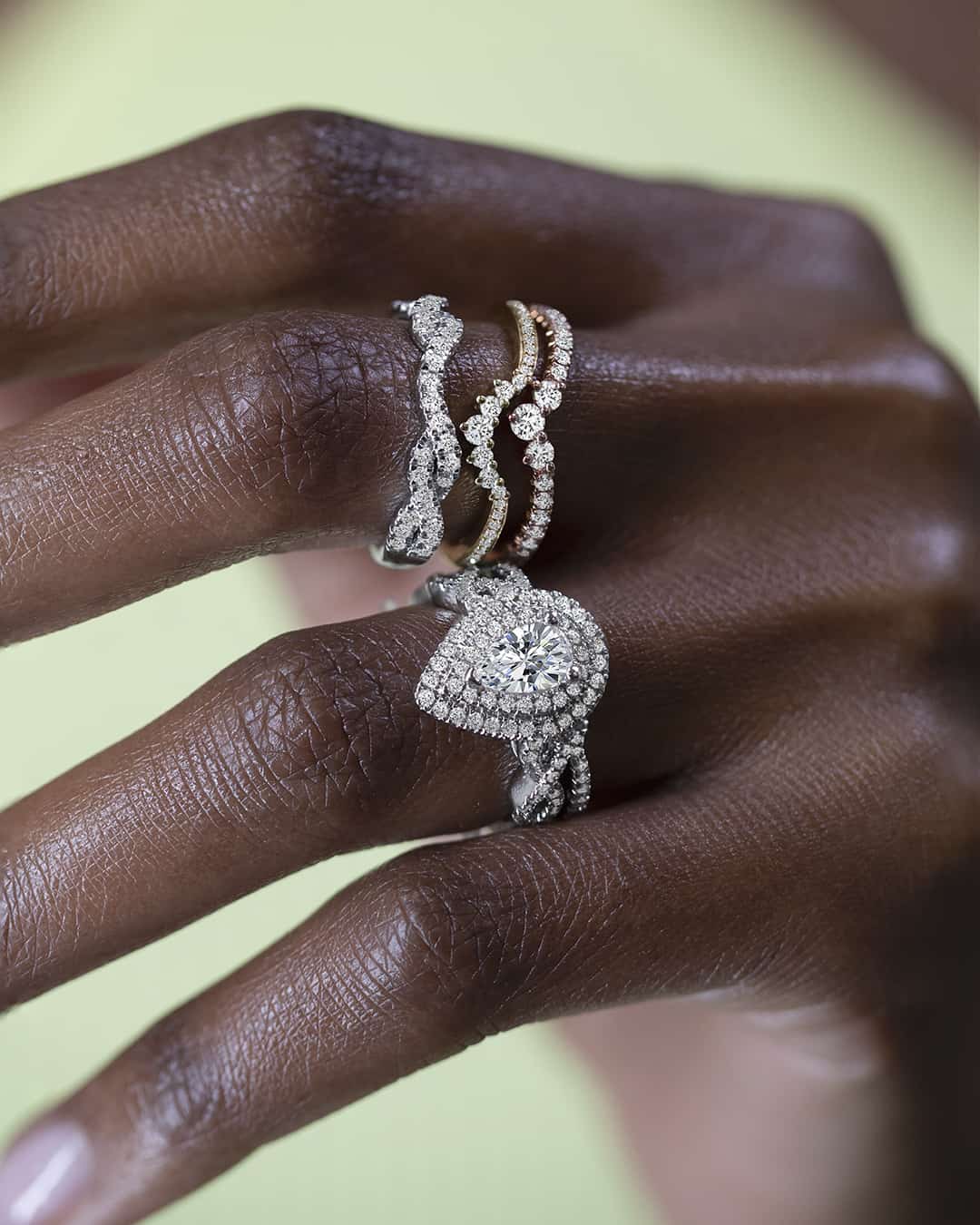


A pave setting places small stones low in the metal and close together, so the surface reads as a near-continuous field of sparkle rather than a series of individual stones. It is one of the most effective ways to add brightness across an engagement ring, a wedding band, or a piece of fine jewelry, and it works with any stone, though diamonds are the usual choice.
Below we cover what the technique actually involves, how it shows up in rings and bands, and what it does for necklaces and bracelets. Our jewelry experts are glad to show you the difference in person at any of our showrooms across California, Arizona, Texas, and Washington.
What Is a Pave Setting
Tiny diamonds sit low in the metal and cluster together, held by small beads or prongs so the surface looks paved. The simplest way to judge the work is to run a finger across it: the less variation you feel, the more evenly the stones were placed, and even placement is the hard part. You may also hear about micro pave, which uses smaller stones in tighter rows for extra density.
Quality shows up in the metal as much as the stones. The beads have to be raised cleanly and sit at a consistent height, because an uneven bead catches light differently and breaks the illusion of a continuous surface.
How to Judge Pave Work
01
EVEN SPACING
Run a finger across the surface. Consistent feel means consistent setting, and it is the fastest quality check you can make yourself.
02
BEAD HEIGHT
The tiny beads holding each stone should sit at a uniform height. An uneven one catches light out of step with the rest.
03
HOW IT WEARS
Small stones mean small settings, so pave benefits more than most work from periodic inspection. Ours is included for life.
Pave Diamond Engagement Rings and Wedding Bands
Pave bands line the shank with diamonds that amplify sparkle while leaving a center stone as the focus. You can bring the technique into a ring through a halo, along the band, or by pairing a pave engagement ring with a matching band. Browse the full range of pave and sidestone styles among our pave engagement rings, explore coordinating diamond wedding bands, or start from the engagement ring guides.
The group below covers the two ways pave usually enters a set, as detail on a center-stone ring and as a band in its own right, plus a mounting you finish with your own stone.

Eternalle 14K White Gold Lab-Grown Diamond Engagement Ring
- 14K white gold, 1.6 mm shank, rhodium plated
- Cover Story Elongated Diamond Collection, cushion cut center
- 3 ct. tw. total, prong set

14K Yellow Gold Natural Diamond Wedding Band
- 14K yellow gold, 1.6 mm shank, polished
- Diamond band sized for stacking against an engagement ring
- 1/6 ct. tw.

Tacori 18K White Gold Natural Diamond Engagement Ring Setting
- 18K white gold from Tacori, 1.6 mm shank
- Milgrain finish, vintage design style
- Center stone sold separately
Pave Diamond Necklaces and Bracelets
Pave is not only for rings. The same close-set diamonds create bright, seamless focal points in necklaces and bracelets, and well-made pave feels remarkably smooth, so it glides over delicate fabrics without snagging. We are particularly fond of the pave work from Shy Creation.
Explore more sparkle across our necklaces and pendants and bracelets. The pieces here show the technique at three different scales, from a pendant drop to a bangle.

Gabriel & Co. 14K Yellow Gold Natural Diamond Drop Necklace
- 14K yellow gold from Gabriel & Co., polished
- Drop design on a lobster clasp
- 1/2 ct. tw.

Shy Creation 14K Yellow Gold Natural Diamond Heart Necklace
- 14K yellow gold from Shy Creation
- Heart pendant paved with small diamonds
- 1/5 ct. tw.

Shy Creation 14K Yellow Gold Natural Diamond Bangle Bracelet
- 14K yellow gold from Shy Creation, rhodium plated
- Bangle with a push-lock clasp
- 1/2 ct. tw.
The Robbins Brothers Difference
Pave is where craftsmanship is easiest to feel and hardest to photograph. Two pieces with identical carat weights can look completely different depending on how evenly the stones were placed and how cleanly the beads were raised. We keep pieces on hand precisely so that comparison can be made with your own fingertips, and our jewelers will hand you a loupe rather than ask you to take it on trust.
Frequently Asked Questions
Frequently Asked Questions
What exactly is a pave setting?
The name is French for paved, which is the whole idea: a cobbled street rather than a row of separate stones. What makes it different from any other setting is that the metal does the holding. A jeweler raises tiny beads from the surface itself and pushes them over the edge of each diamond, so nothing is added on top. Ask to see it through a loupe and the beadwork is what you are looking at.
What is the difference between pave and micro pave?
Micro pave uses smaller stones in tighter rows, which produces a denser, more seamless field of light. Neither is better; the right one depends on the scale of the piece. On a slim band micro pave keeps the metal from looking crowded, while on a wider surface standard pave has more presence.
Do pave stones fall out easily?
Well-crafted pave is secure for everyday wear. The stones are small, so the beads holding them are small too, which is why periodic inspection matters more here than on a solitaire. Every piece we sell includes lifetime cleaning and inspection, and that check is exactly what it is for.
Can a pave ring be resized?
Often, but not always as far as a plain band. Pave running around the full shank leaves little untouched metal to work with, and sizing through set stones risks loosening them. Bring the ring in and our jeweler will tell you what is possible for that specific design before any work starts.
How is pave different from a channel setting?
Pave sets stones on the surface with small beads, giving a bright, slightly textured look. A channel setting drops stones between two smooth metal walls, which protects them and reads sleeker. It is largely a choice between maximum shine and a cleaner line.
How do I clean and care for pave jewelry?
Warm water, mild soap and a soft brush keep it bright at home; the brush matters, because dust settles between close-set stones where a cloth cannot reach. Bring it to us for a deeper clean and a security check on the settings as part of your lifetime service.
Does pave really add more sparkle?
Yes, and for a simple reason: more facets pointed in more directions return light from more angles. Set a pave band next to a plain metal one in person and the difference is not subtle.
Can you create a custom pave design?
Our master jeweler can build a custom pave ring or jewelry piece around what you have in mind, in either lab-grown or natural diamonds. Book an appointment to start the conversation.
For more sparkle:
Ready to see pave sparkle for yourself? Find a Robbins Brothers near you and let our jewelry experts help you find the perfect piece. You can also browse our Pinterest board for inspiration.
Recommended
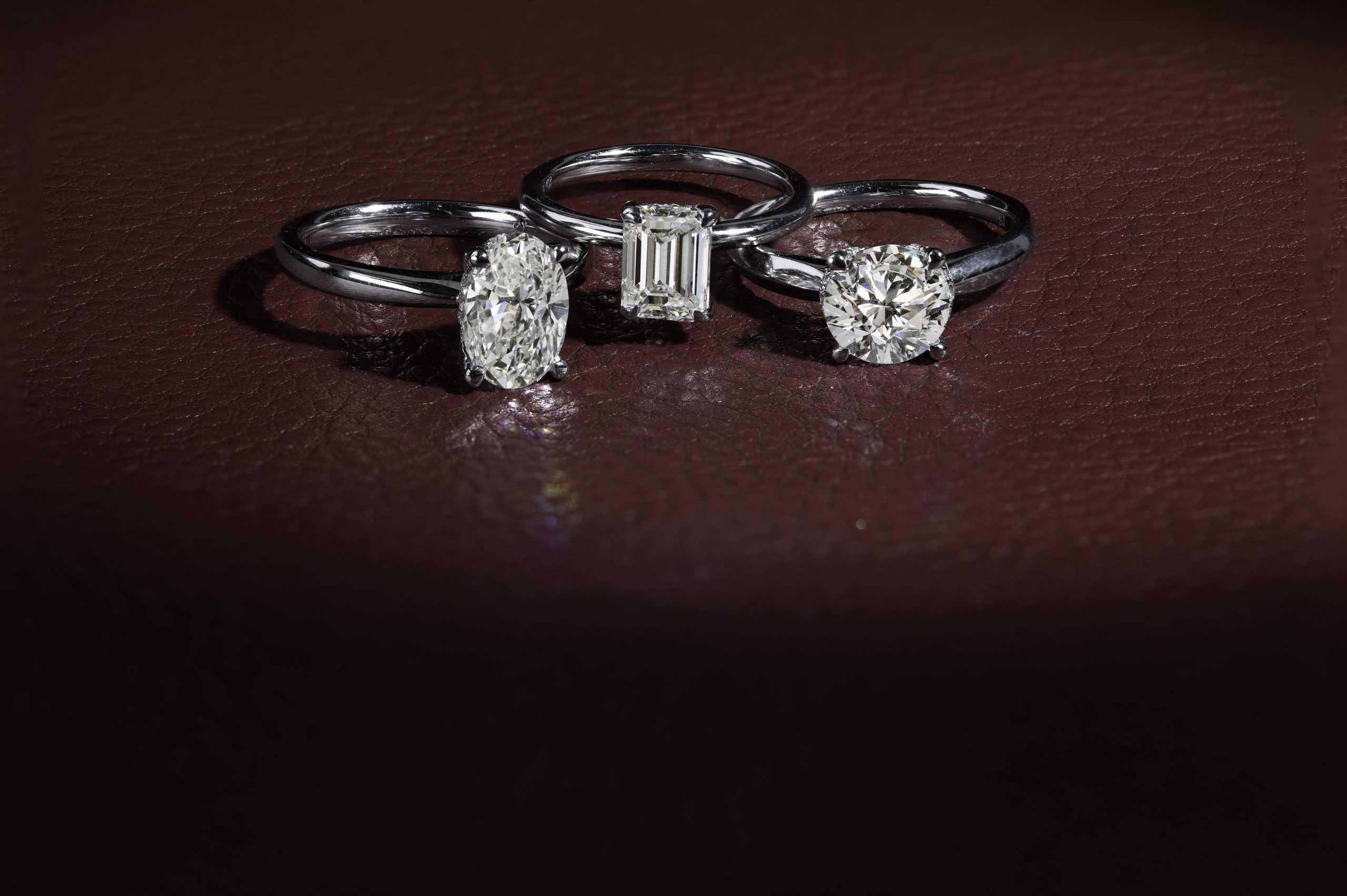
Why Platinum Is A Great Engagement Ring and Wedding Band Choice
When you start searching for an engagement ring or wedding band, one of the first decisions you will make is…
read more
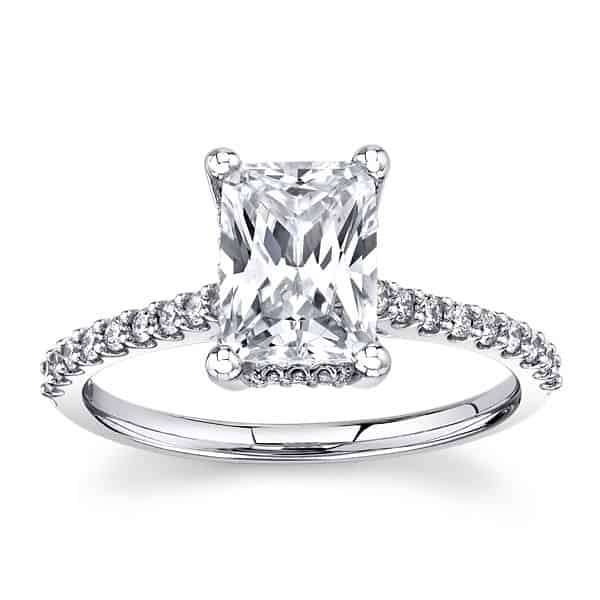
All About Radiant Cut Diamonds For Engagement Rings
A radiant cut blends the fiery sparkle of a round brilliant with the clean lines of an emerald cut, which…
read more
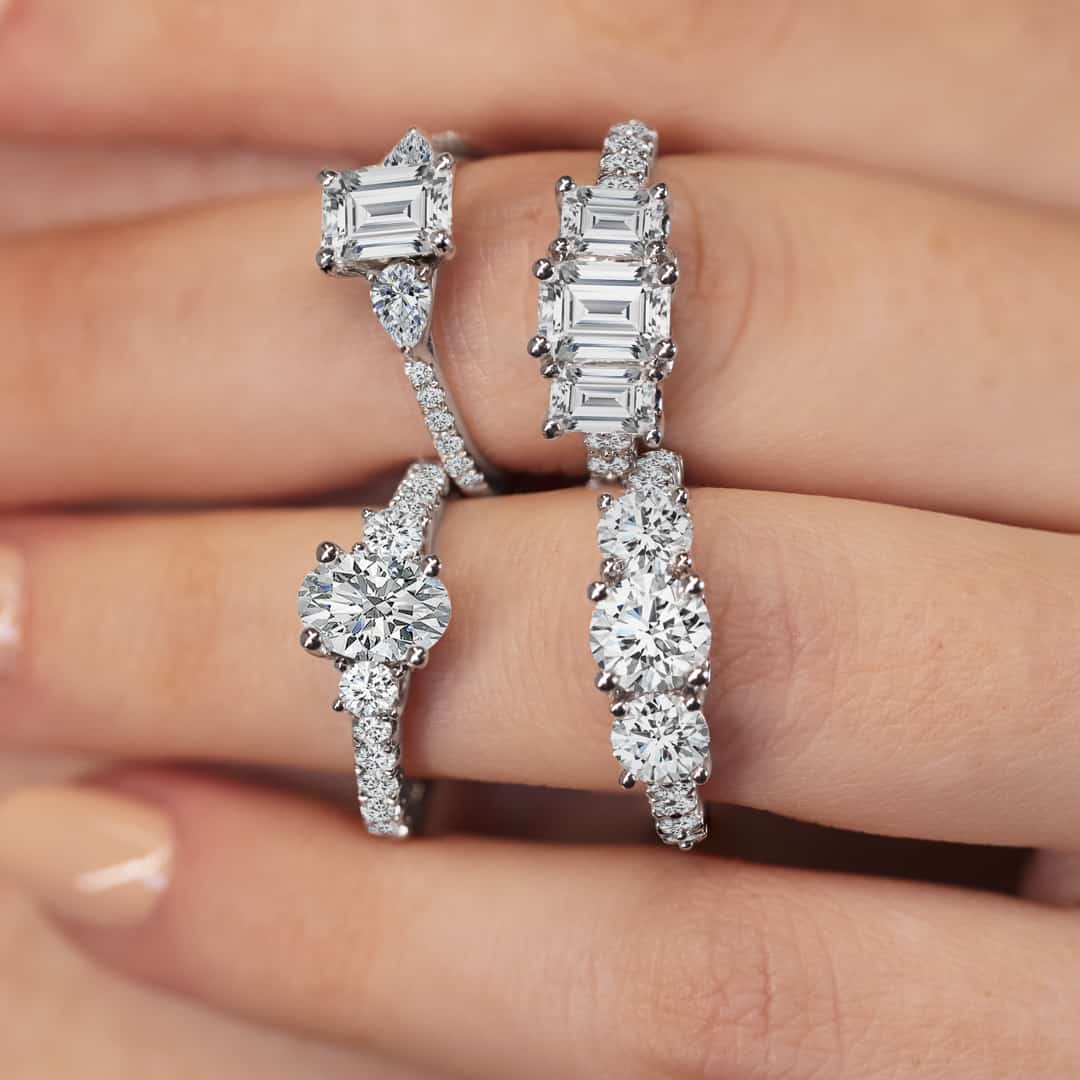
Learn More About Lab-Grown Diamond Engagement Rings From Our Scottsdale, AZ Store
Interested in learning more about lab-grown diamonds? We have you covered. Our Scottsdale, Arizona store walked through the whole subject…
read more