Home » Engagement & Wedding Rings » Engagement Rings
Learn More About Lab-Grown Diamond Engagement Rings From Our Scottsdale, AZ Store
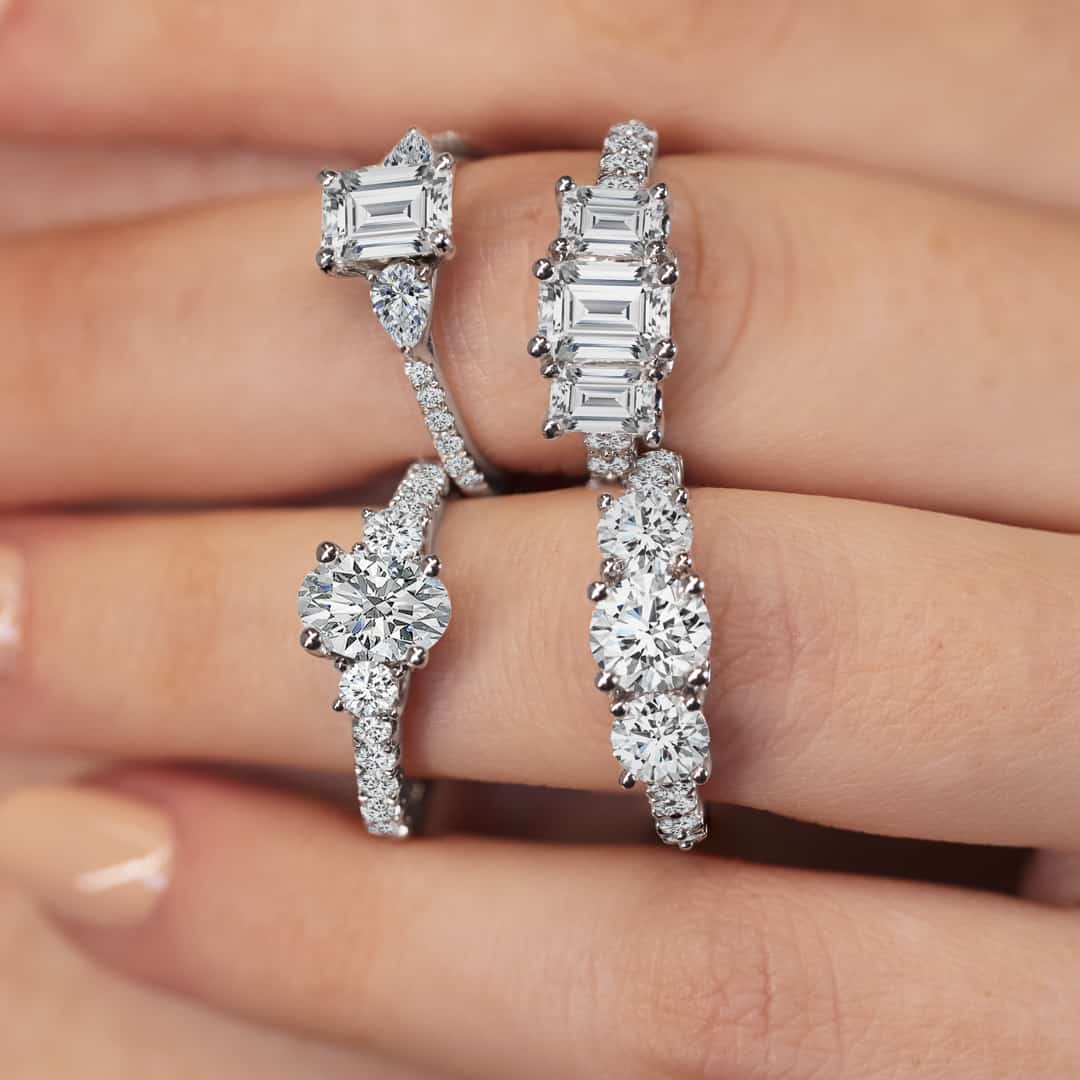


Interested in learning more about lab-grown diamonds? We have you covered. Our Scottsdale, Arizona store walked through the whole subject in this ABC15 news story. Below we cover what lab-grown diamonds are, how they are made, how our team can help you shop for one, and a few of the lab-grown engagement rings we love.
What Are Lab-Grown Diamonds?
Lab-grown diamonds are optically, physically, and chemically identical to mined diamonds, and they are evaluated with the same grading system for cut, color, clarity, and carat weight. The only difference is where they begin. One forms in the earth over billions of years, while the other is created in a controlled environment in a matter of weeks. Diamonds are diamonds whether they are formed in a lab or in the earth, and the significance is the same: a symbol of your enduring love and commitment. If you want to compare your options, our lab-grown diamond guide and our look at the legacy of natural diamonds are great places to start.
Why guests choose lab-grown
Lab-grown diamonds tend to offer more value per carat, which means you can reach for a larger center stone or a more diamond-intensive band for the same budget. We carry both lab-grown and conflict-free mined diamonds so you can choose the path that feels right for you, with no pressure either way.
How a Lab-Grown Diamond Is Made
01
HPHT
The original method, and the name says it: high pressure, high temperature. Per GIA, the chamber runs between 1,300 and 1,600 degrees Celsius at pressures above 870,000 pounds per square inch, deliberately mimicking the conditions that form a diamond in the earth.
02
CVD
The newer method fills a vacuum chamber with carbon-containing gas that crystallizes onto a seed, layer by layer. GIA notes it works at lower temperatures and pressures than HPHT. Both methods are in wide use today.
03
A SEED EITHER WAY
Both routes start from a small diamond seed and build outward, which is why the result is a diamond rather than something that resembles one. Gem-quality growing dates to the mid-1990s, so this is established craft, not an experiment.
Lab-Grown Diamonds at Our Scottsdale Store
Our Scottsdale, Arizona showroom was featured in an ABC15 news segment about lab-grown diamonds, where our team shared how these stones are made and why so many couples are considering them. When you visit, a diamond expert can walk you through certified lab-grown options in person, compare them side by side with natural diamonds, and help you understand exactly what you are looking at under the loupe. When you are ready, you can book an appointment so we can set aside dedicated time for you.
That question comes up constantly, and Greg Hjartarson from our Scottsdale team named the reason when he told ABC15 there was “a lot of disinformation that goes with something that’s new.” On camera he answered it the way we answer it across the counter, which is that a grown stone and a mined one are the same material. That is far easier to settle with two diamonds side by side than in writing.
Shop Lab-Grown Engagement Rings
Ready to see a few favorites? Below are some of the Eternalle lab-grown styles our guests keep coming back to, and you can browse the full assortment on our lab-grown engagement rings page.

Eternalle 14k Yellow Gold Lab-Grown Diamond Engagement Ring 3 1/2 ct. tw.
- 14k yellow gold band
- Eternalle design with a pear-shaped center stone
- 3 1/2 ct. tw. lab-grown diamonds in a prong setting

Eternalle 14k White Gold Lab-Grown Diamond Engagement Ring 3 ct. tw.
- 14k white gold band
- Eternalle design with a cushion cut center stone
- 3 ct. tw. lab-grown diamonds in a prong setting

Eternalle Platinum Lab-Grown Diamond Engagement Ring 2 ct. tw.
- Platinum band, the most durable of the three metals here
- Eternalle design with a marquise center stone
- 2 ct. tw. lab-grown diamonds, center stone included
The Robbins Brothers Difference
We have been helping couples choose engagement rings since 1921, so we were selling diamonds for decades before lab-grown stones reached the counter. That is worth something here: we have no stake in steering you toward one or the other, and our jewelry consultants are trained to explain the trade-offs rather than to sell past them.
Only about one in ten diamonds meets our standards, so what reaches the case has already been through a filter. Our VIP diamond viewing rooms let you compare stones properly, under good light and without an audience, and our master jeweler works in house if you decide to build something custom around the diamond you choose. You will find us in showrooms across California, Arizona, Texas, and Washington.
Frequently Asked Questions
What is a lab-grown diamond?
A lab-grown diamond is a real diamond created in a controlled environment rather than mined from the earth. It shares the same carbon crystal structure and the same physical, optical, and chemical properties as a natural diamond. Our team can show you both in person so you can see just how identical they are.
How do lab-grown diamonds compare to natural diamonds in cost and value?
Lab-grown diamonds generally offer more size and sparkle for your budget, so many guests use the difference to size up their center stone or add more diamonds to the band. Natural diamonds carry a rarity and heritage that some couples prefer. Both are wonderful choices, and a visit to our showroom is the best way to weigh what matters most to you.
Are lab-grown diamonds real and certified?
Yes. Lab-grown diamonds are genuine diamonds, and the ones we carry are independently graded and certified using the same standards applied to natural stones. Bring any questions to your appointment and we will review the grading report with you.
Is HPHT or CVD better for a lab-grown diamond?
Neither method is inherently better, and the finished stone is graded on what it is rather than how it was grown. Both are in wide commercial use. If you would like to know which process produced a particular stone, ask us and we will check the grading report with you.
Are lab-grown diamonds conflict-free?
Because they are created in a controlled setting, lab-grown diamonds are inherently conflict-free. We are also committed to responsibly sourced, conflict-free mined diamonds, so whichever route you choose, you can feel good about it.
Do lab-grown diamonds come in all shapes?
They do. From round and oval to pear, cushion, emerald, and more, lab-grown diamonds are available in the full range of popular shapes. Our jewelry consultants can help you match a shape to your hand and your personal style.
What should I know about resale or trading up a lab-grown diamond?
Resale values differ between lab-grown and natural diamonds, so it is worth discussing your long-term plans before you buy. Ask us about our upgrade options during your visit so you understand how trading up could work down the road.
Is my lab-grown diamond ring protected after I buy it?
Yes. Our lifetime warranty covers cleaning, inspection, and covered repairs so your ring stays beautiful for years to come. We are happy to explain exactly what is included when you stop in.
Do I need an appointment to shop for lab-grown diamonds?
Walk-ins are always welcome, but booking ahead means we can set aside dedicated time with a diamond expert. You can book an appointment online whenever it is convenient for you.
Ready to see lab-grown diamonds in person? Find a Robbins Brothers near you and visit our showrooms across California, Arizona, Texas, and Washington. You can also browse our Pinterest board for inspiration.
Recommended
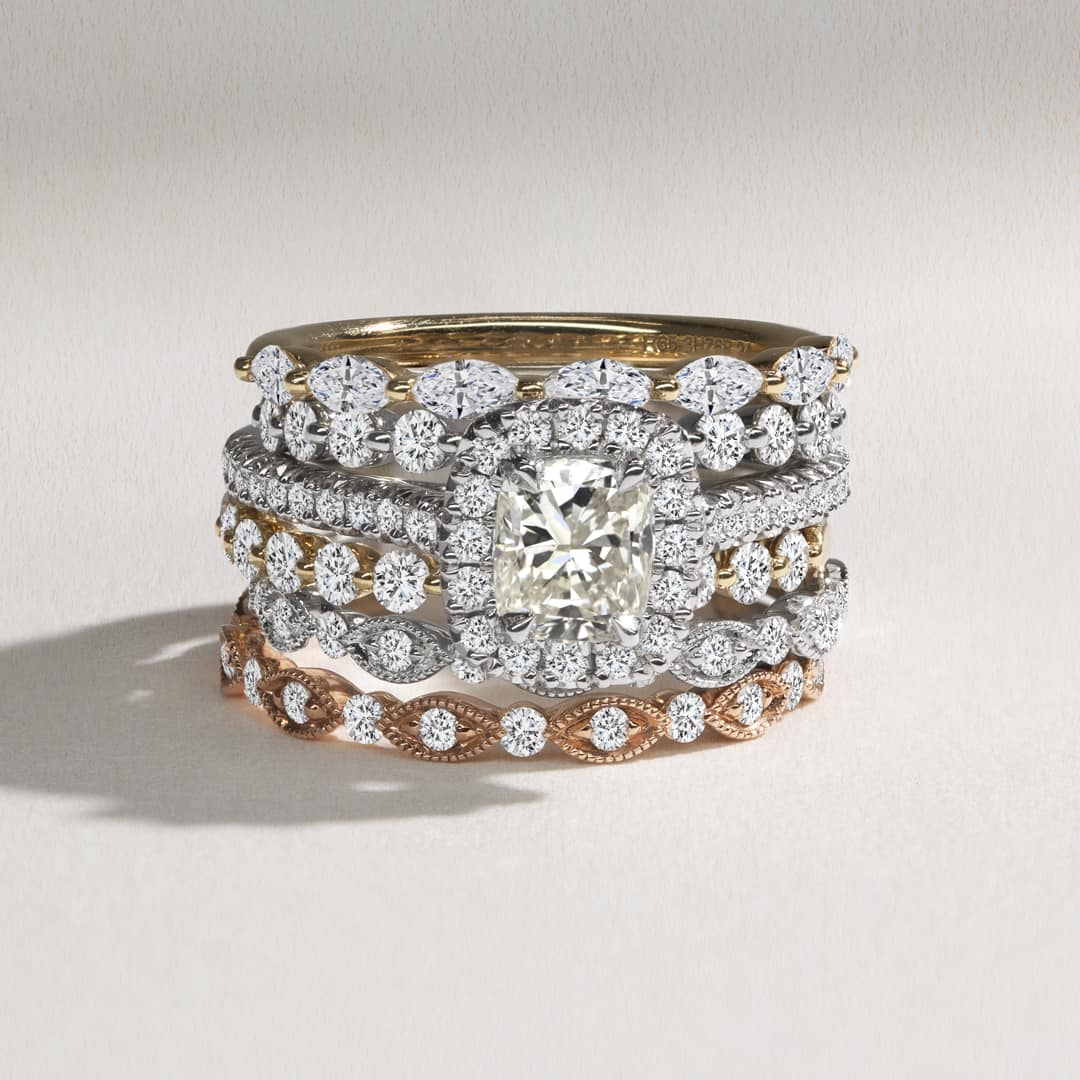
5 Reasons To Choose Rose Gold Engagement Rings and Wedding Bands
Rose gold is a great choice for engagement and wedding rings. It is beautiful, warm, and romantic. That blush-toned glow…
read more
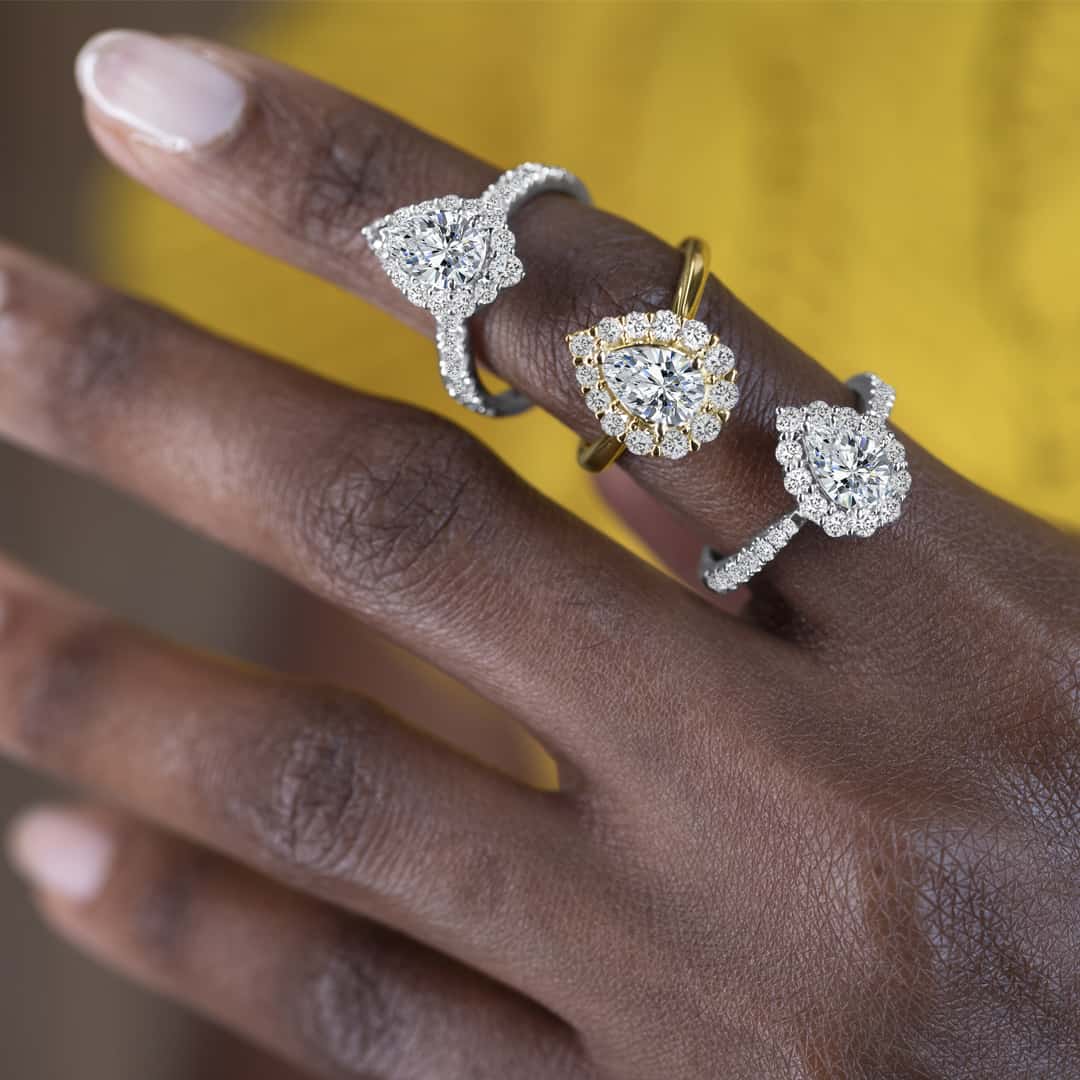
Adding Sparkle with a Halo Engagement Ring
A halo ring setting encircles a center diamond with smaller accent diamonds. A halo adds dimension and unique styling and…
read more
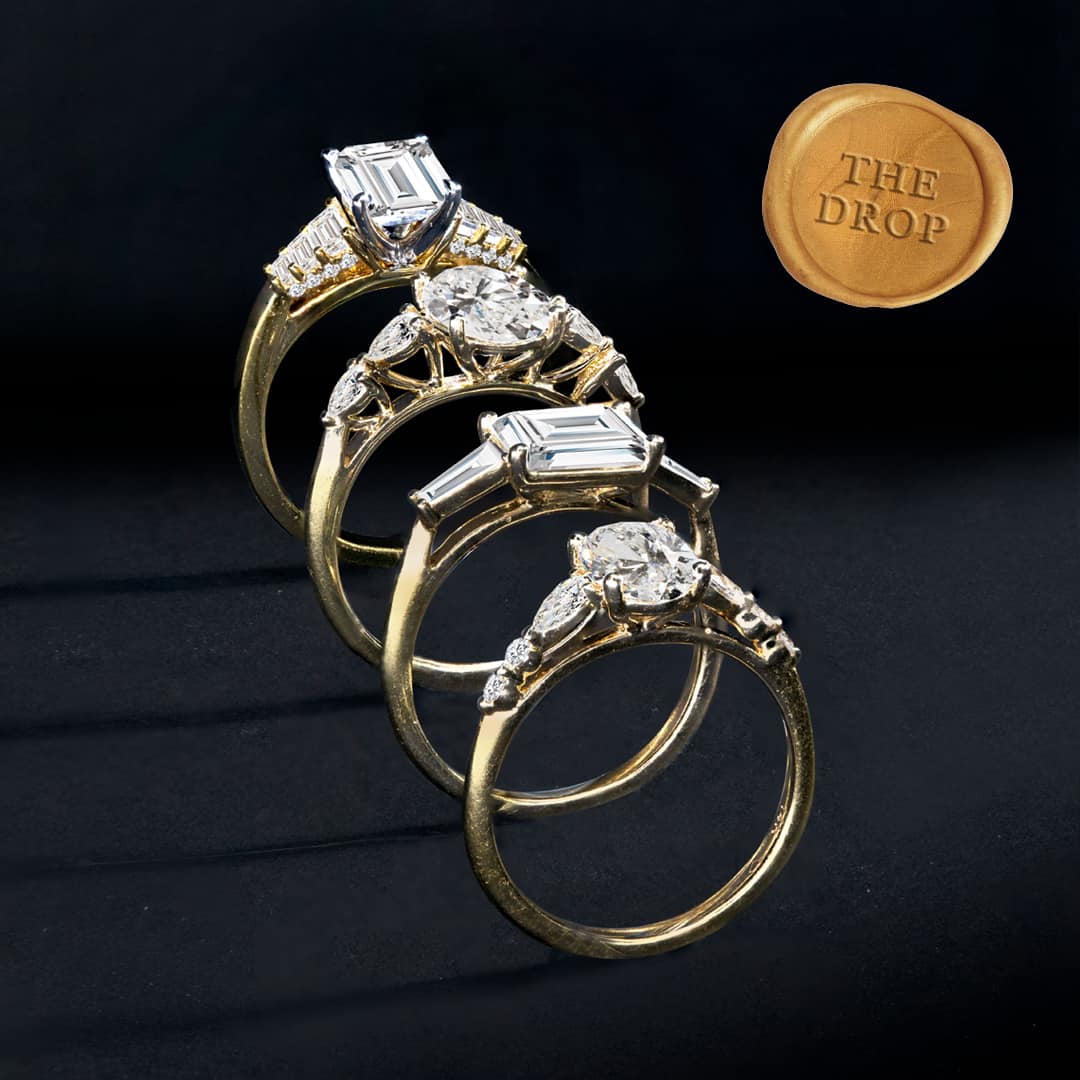
Celebrating a Century of Craftsmanship: Unveiling our Centennial and Duet Collections
Most jewelry says one thing. A toi et moi says two. The design sets a pair of stones side by…
read more